There are no items in your cart
Add More
Add More
| Item Details | Price | ||
|---|---|---|---|

Project-5: End-to-End Production MLOps Pipeline on AWS EKS
Architecting, Training, Containerizing & Deploying an IT Career Upskilling Prediction ML Model using Python, Scikit-Learn, FastAPI, Docker, Kubernetes & AWS EKS
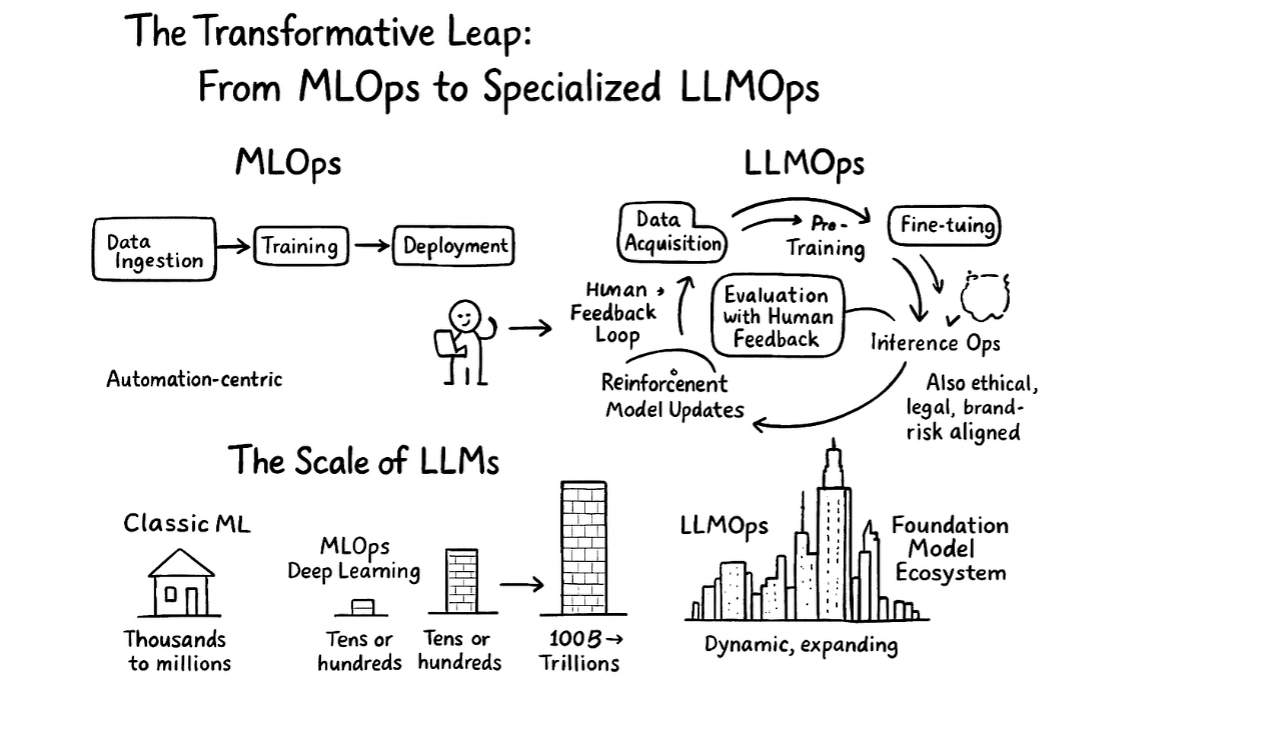
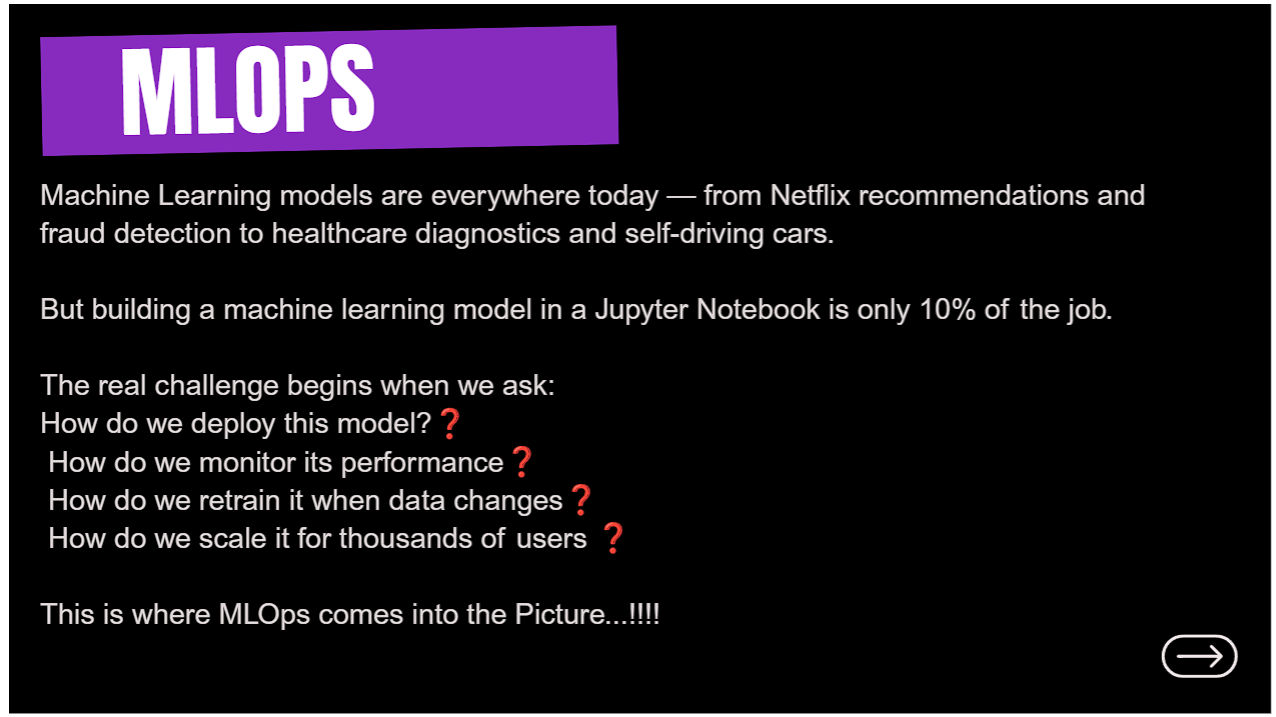
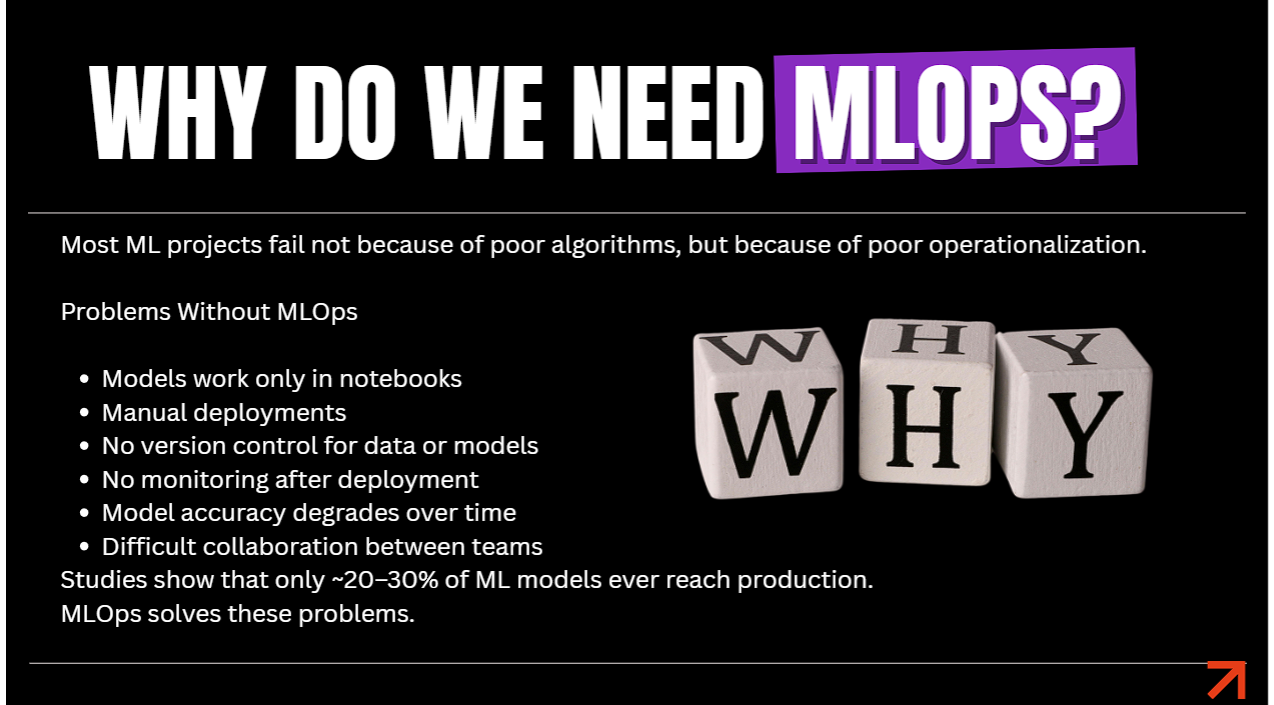
Building a machine learning model inside a Jupyter Notebook represents only 10% of the effort in real-world artificial intelligence projects. The remaining 90% involves operationalizing the model: data versioning, containerizing prediction APIs, orchestrating CI/CD pipelines, scaling deployments on managed Kubernetes clusters, and monitoring model performance against real-time data drift.
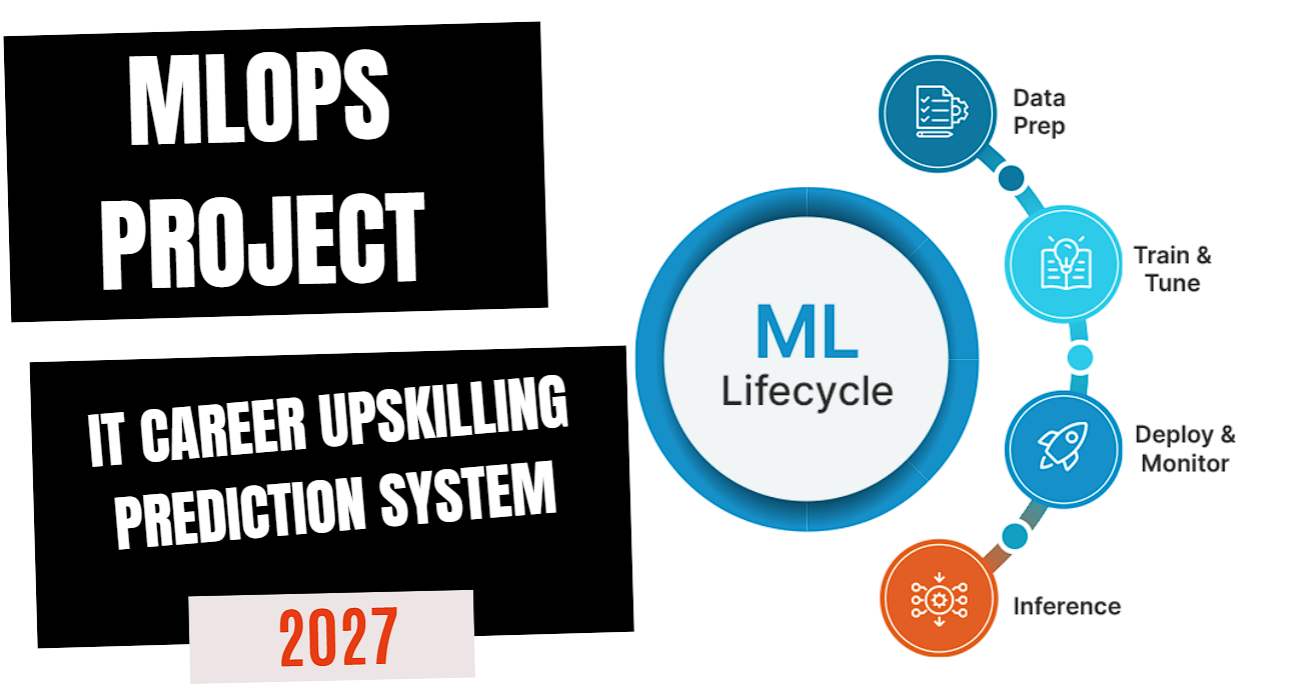
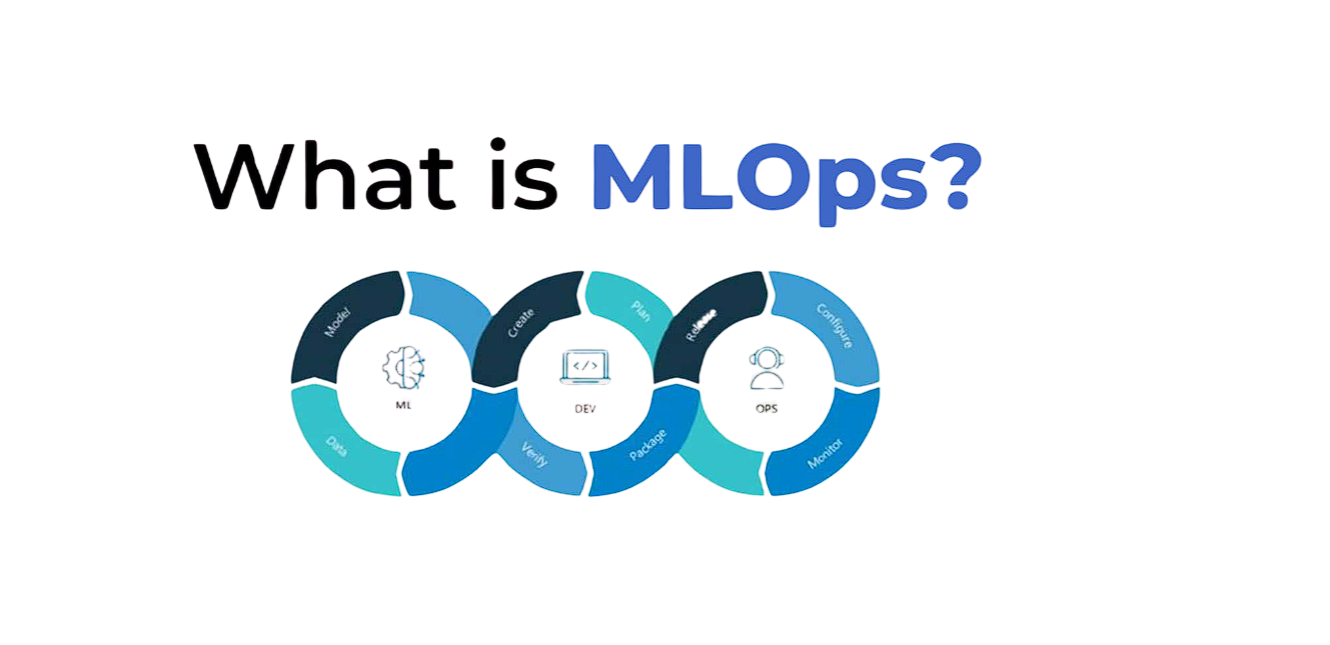
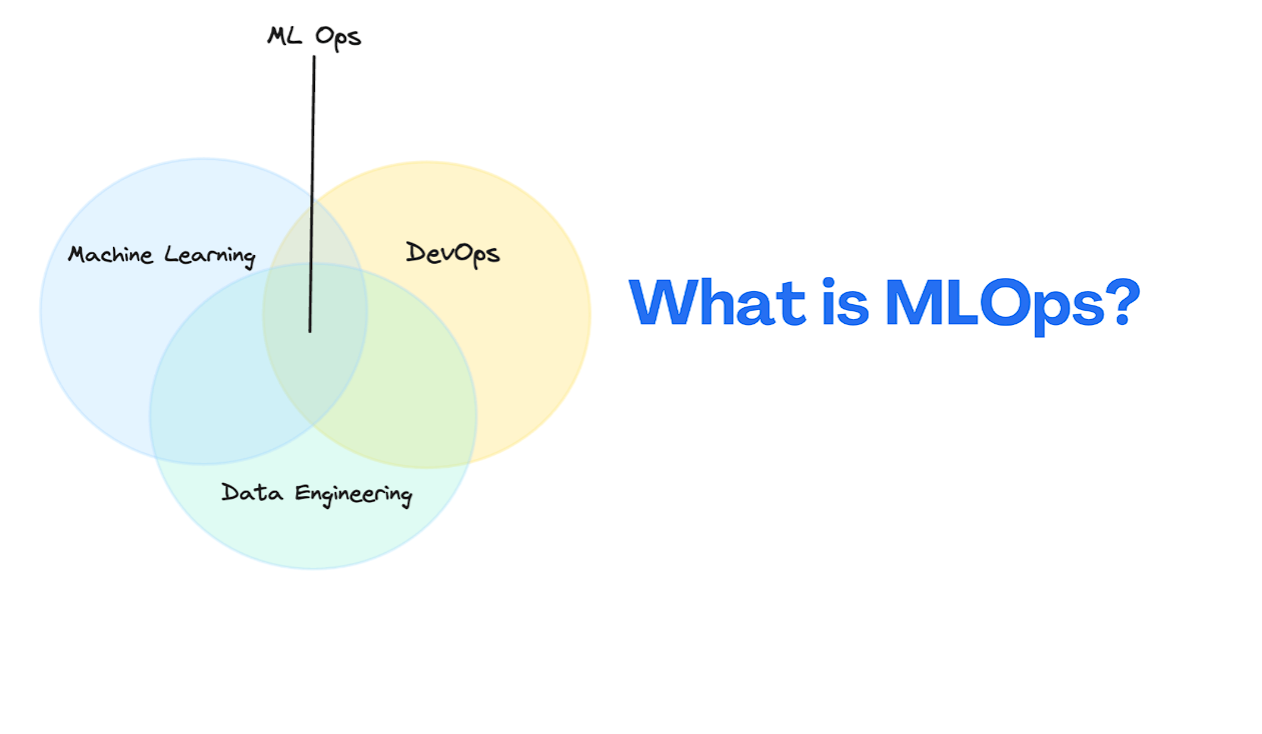
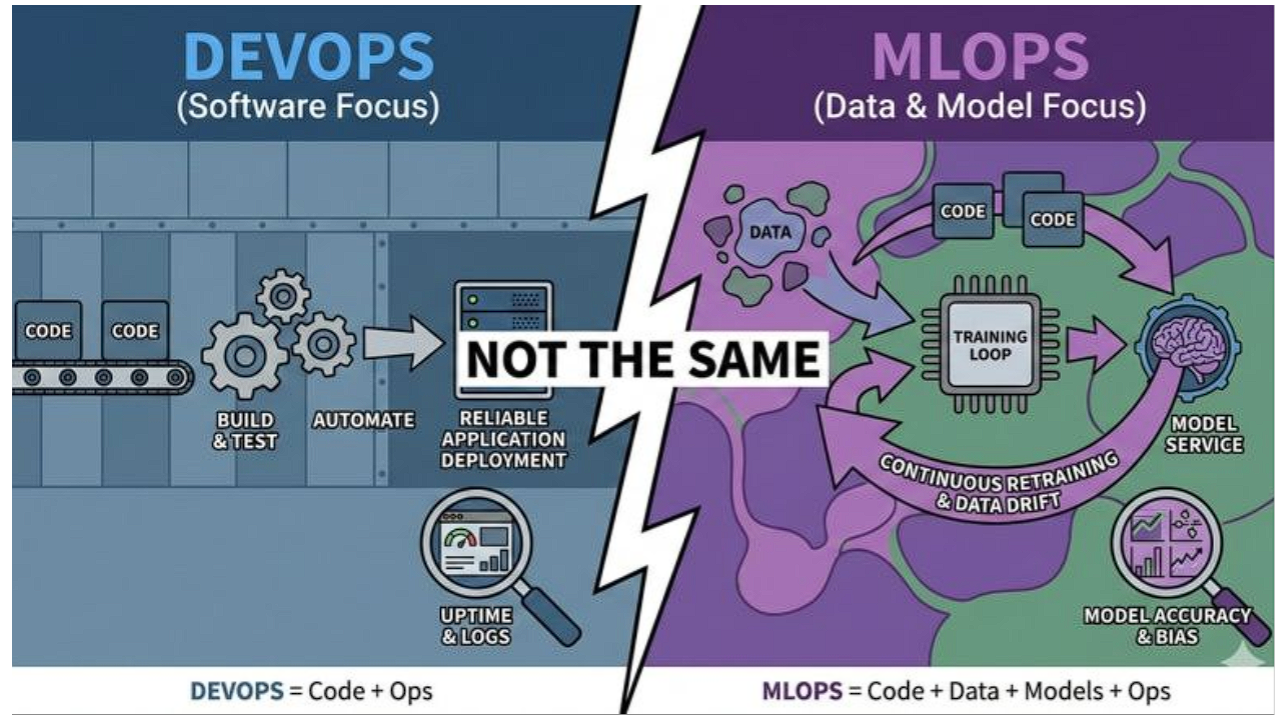
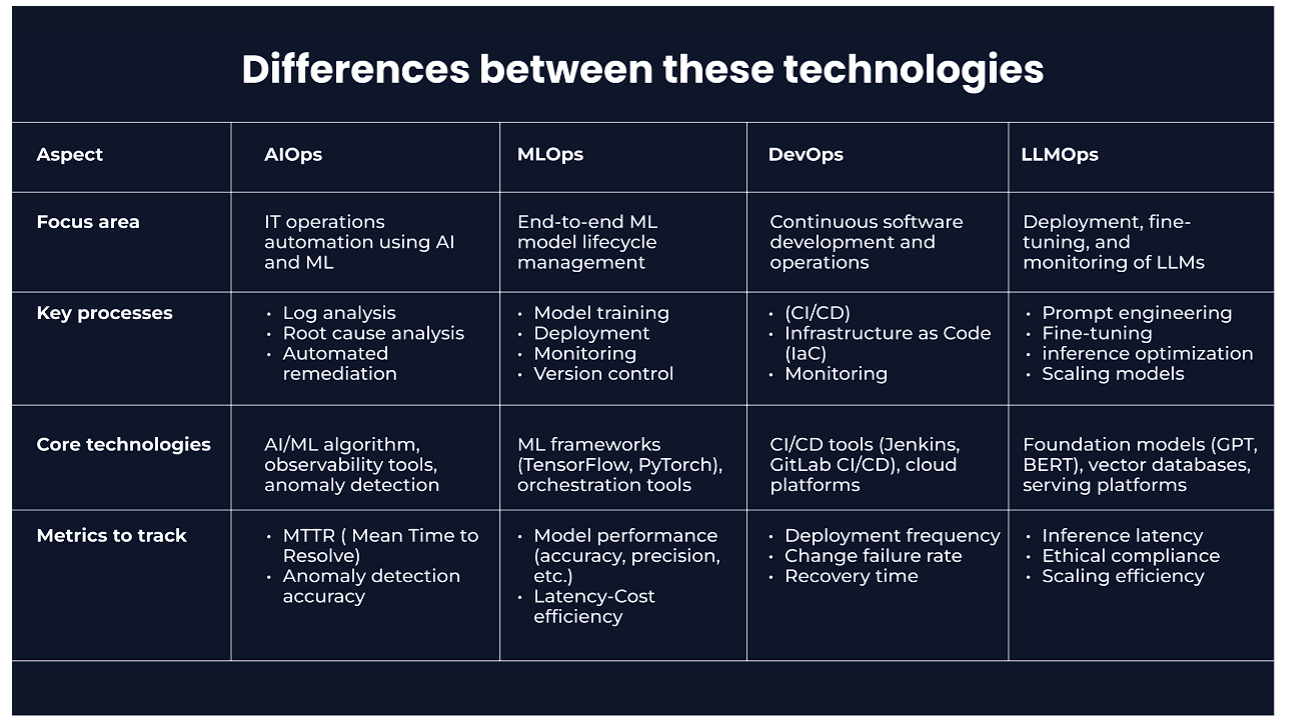
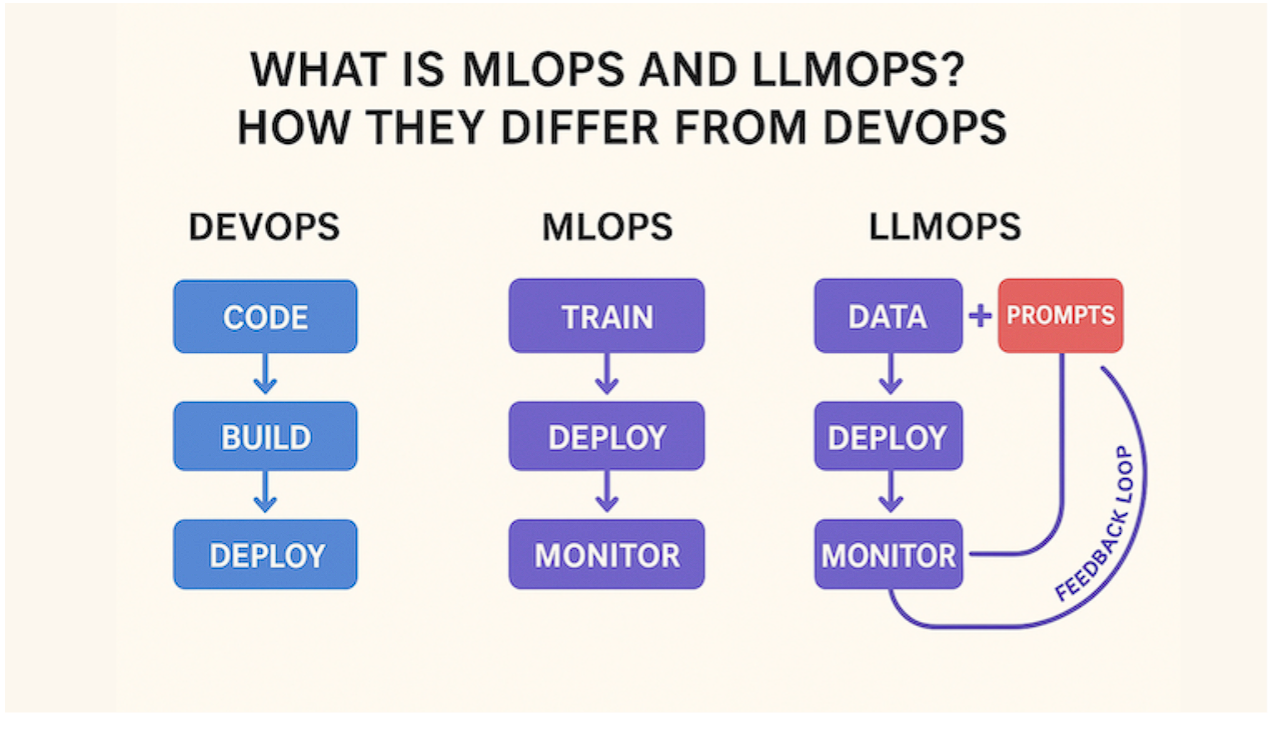
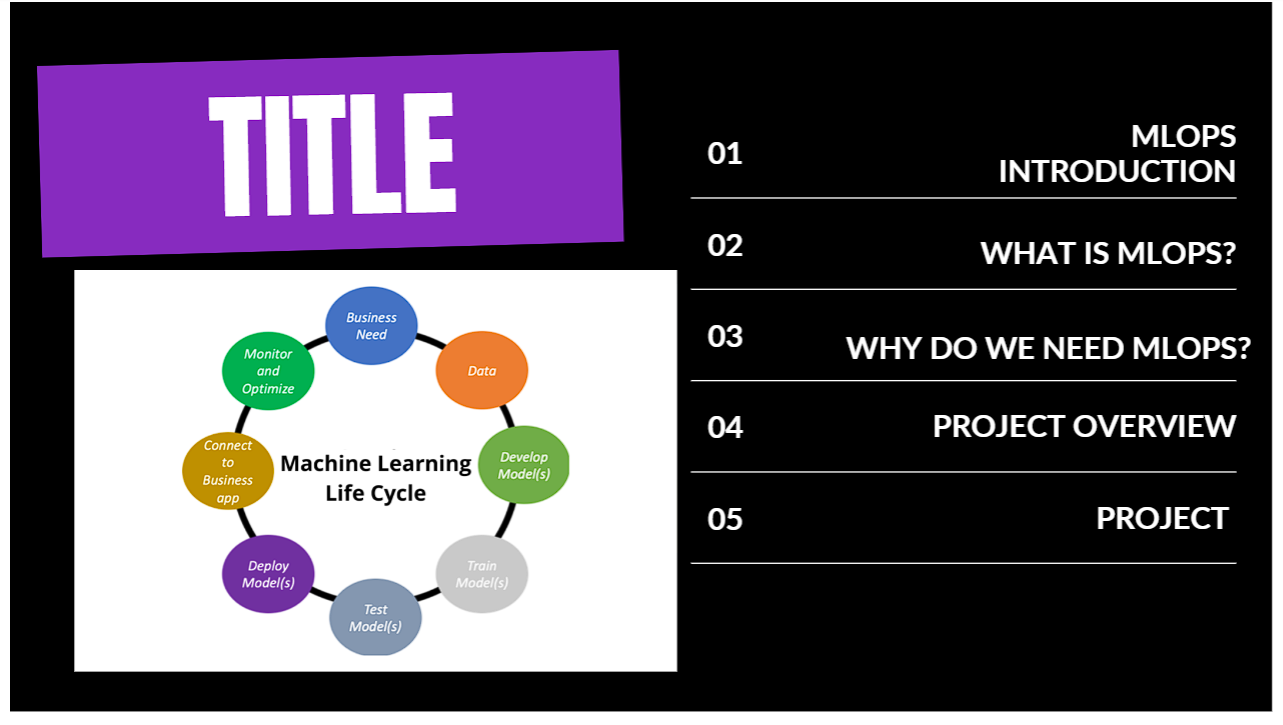
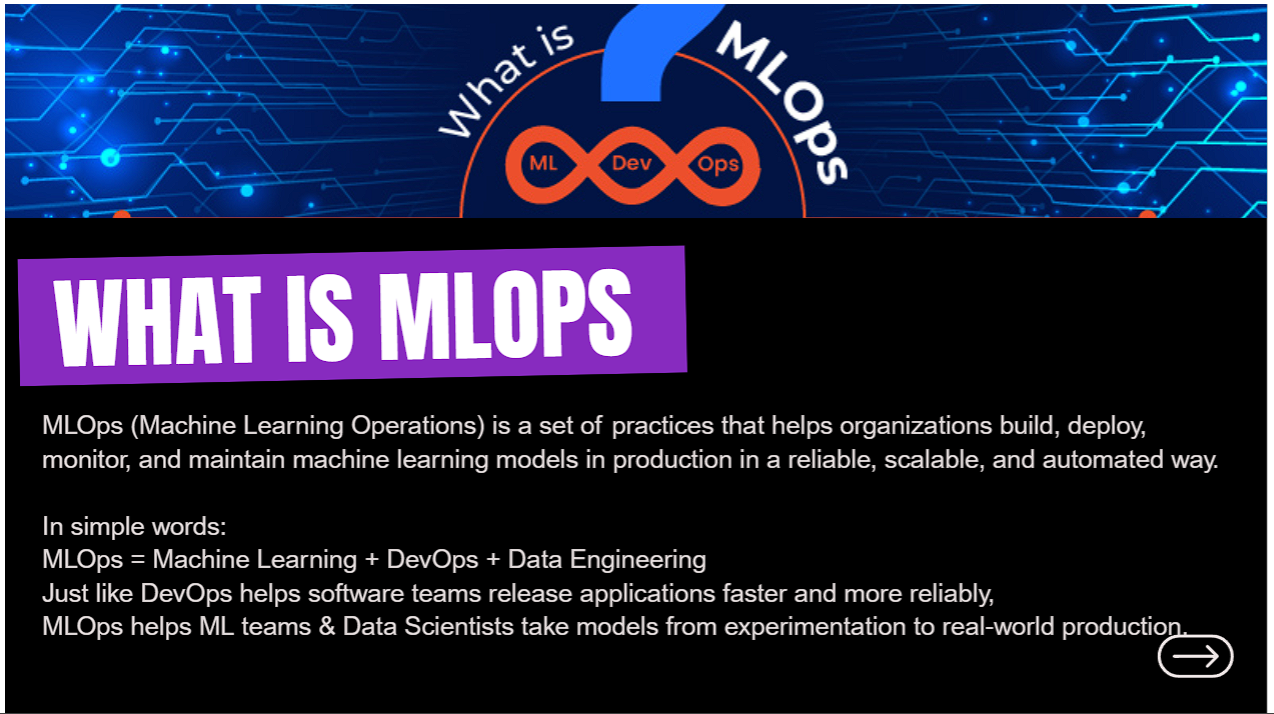
MLOps = Machine Learning + DevOps + Data Engineering. Just as DevOps automates software delivery, MLOps automates the entire lifecycle of Machine Learning models from training to cloud deployment and monitoring.
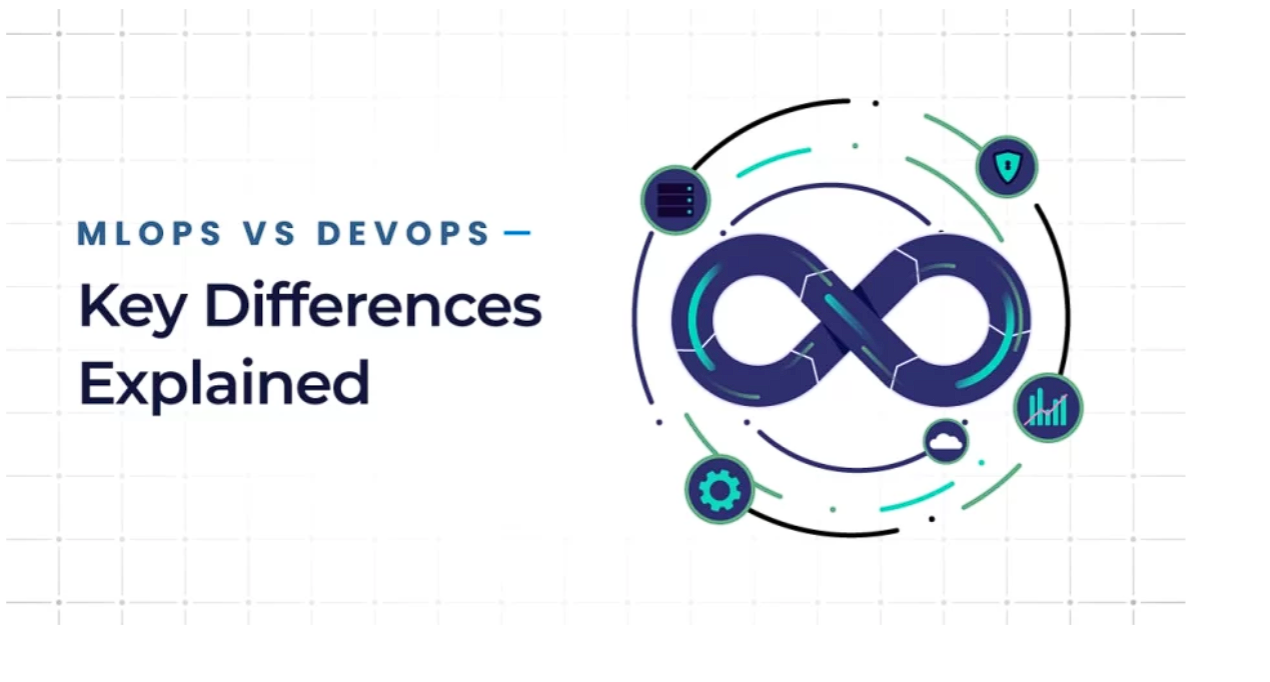
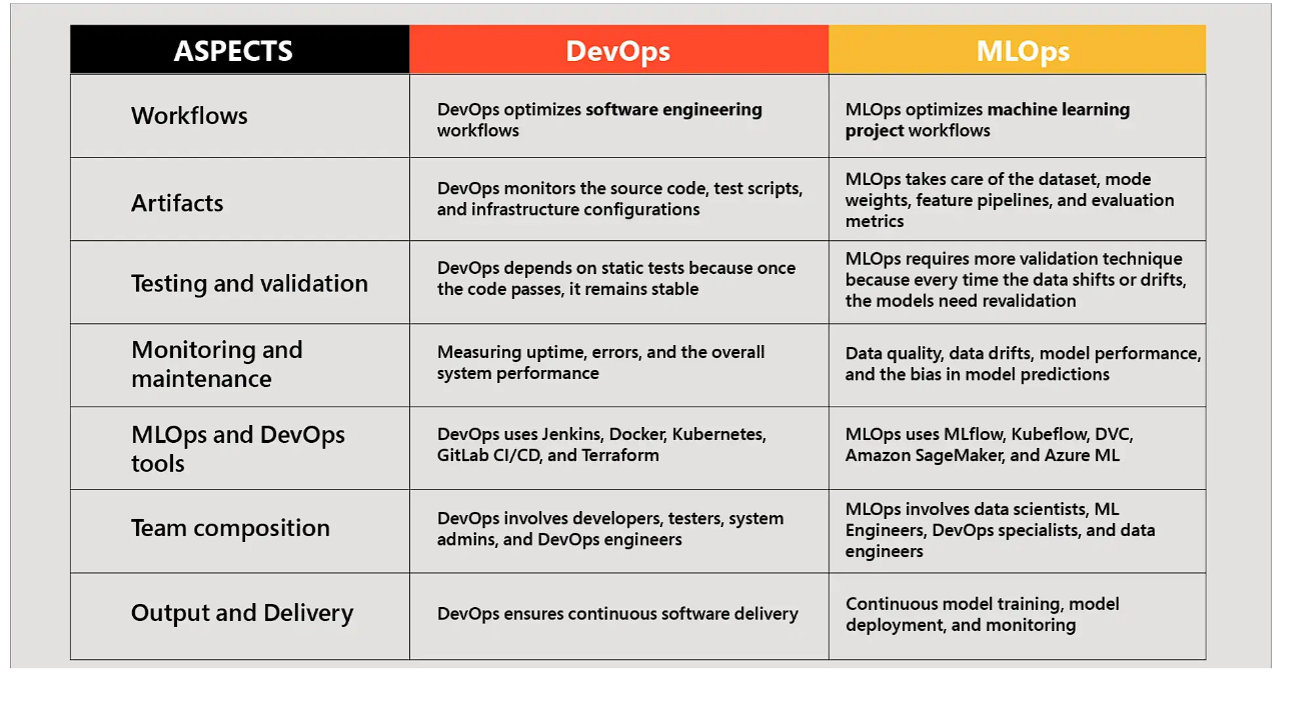
| Engineering Aspect | Traditional DevOps | Modern MLOps |
|---|---|---|
| Core Focus | Source Code & Application Binaries | Code + Data Datasets + ML Model Artifacts |
| Primary Artifacts | Docker Containers, JARs, Executables | Trained Model Binaries (.pkl, .onnx, .pt) |
| Testing & Validation | Unit Tests, Integration Tests, Linting | Model Accuracy, Precision/Recall, F1-Score, Bias |
| Production Monitoring | CPU, Memory, Network I/O, Error Rates | Data Drift, Concept Drift, Model Accuracy Decay |
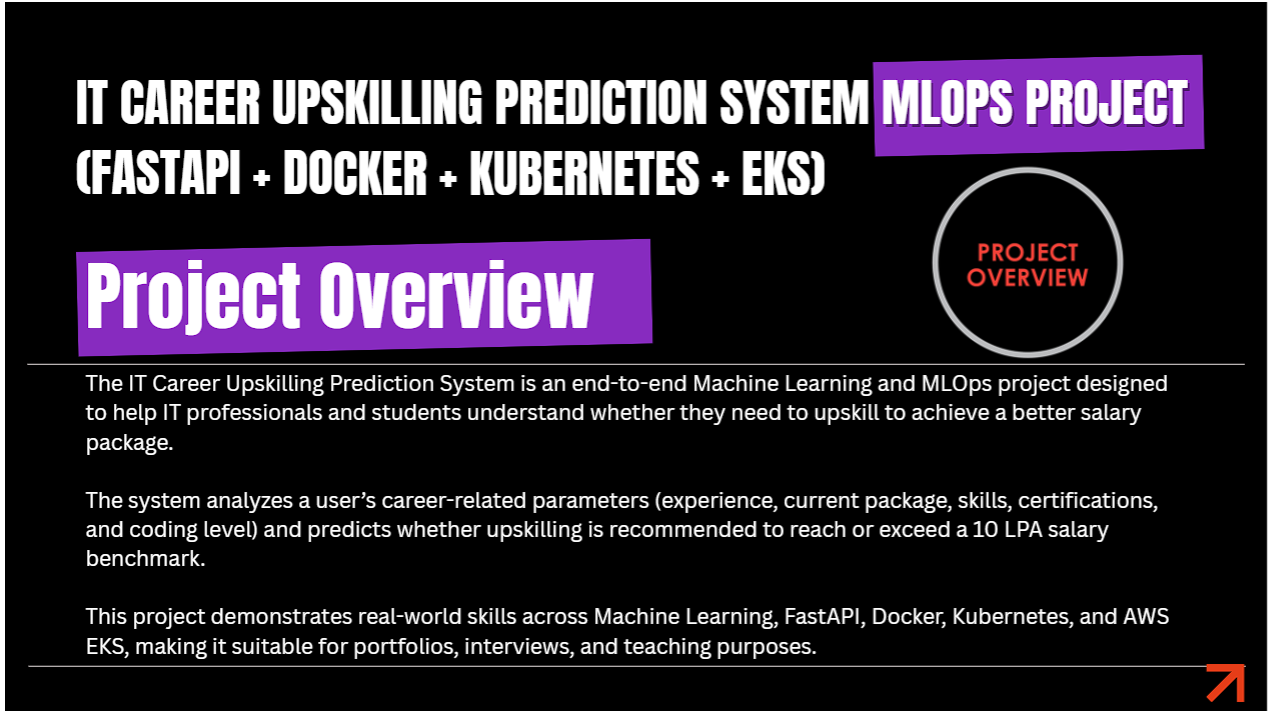
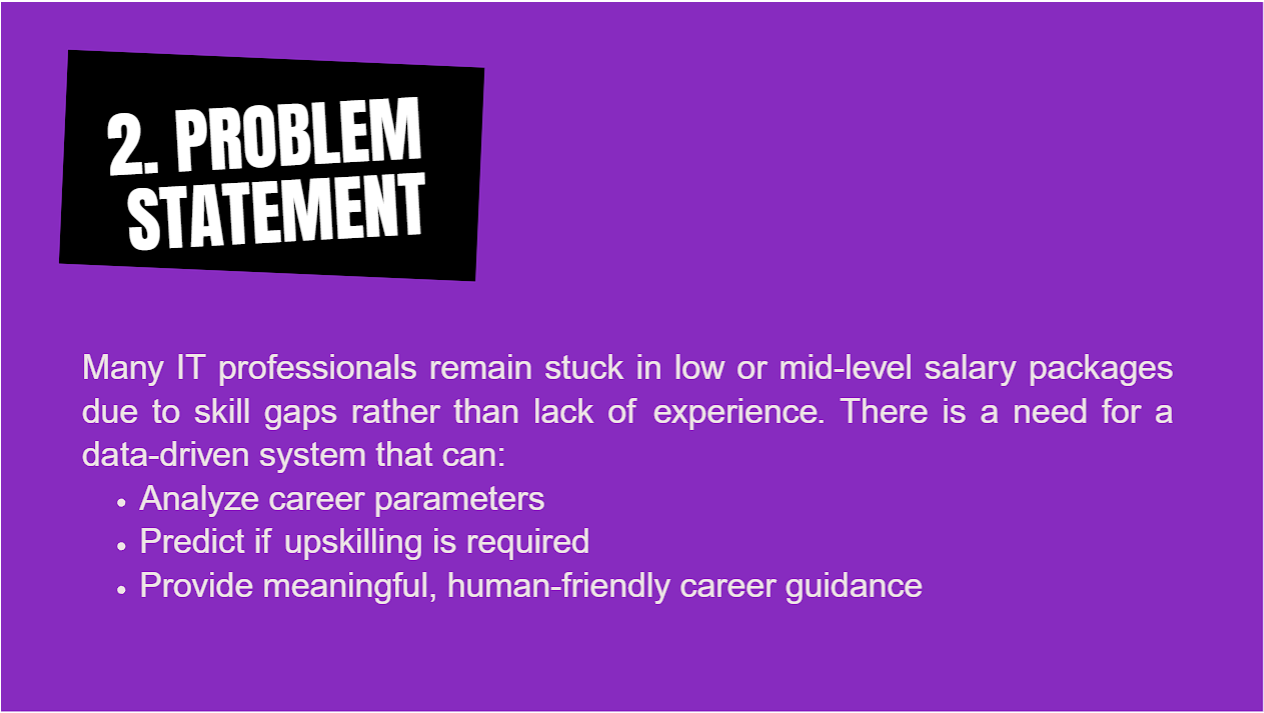
Many IT professionals remain stuck in lower salary bands due to skill gaps rather than lack of tenure. This machine learning application analyzes career parameters (experience, current LPA, technical skills, certifications, coding proficiency) and predicts whether upskilling is required to cross the 10 LPA salary benchmark.
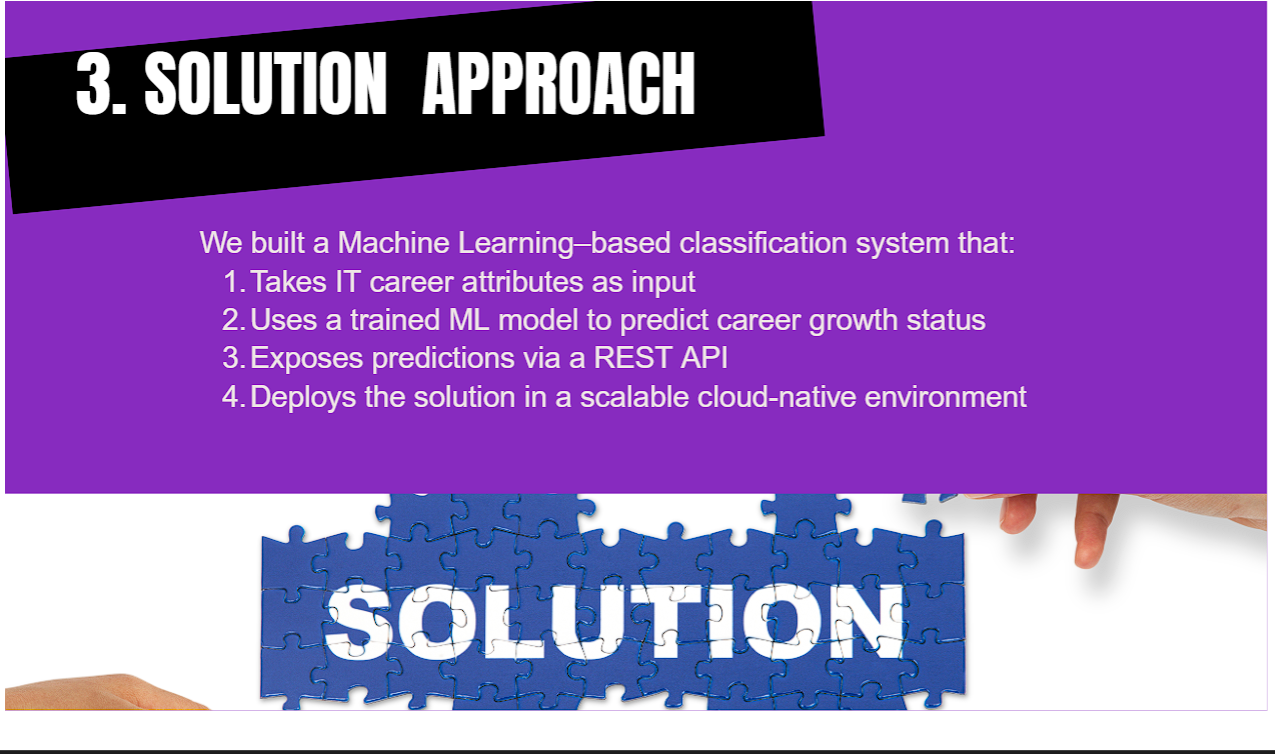
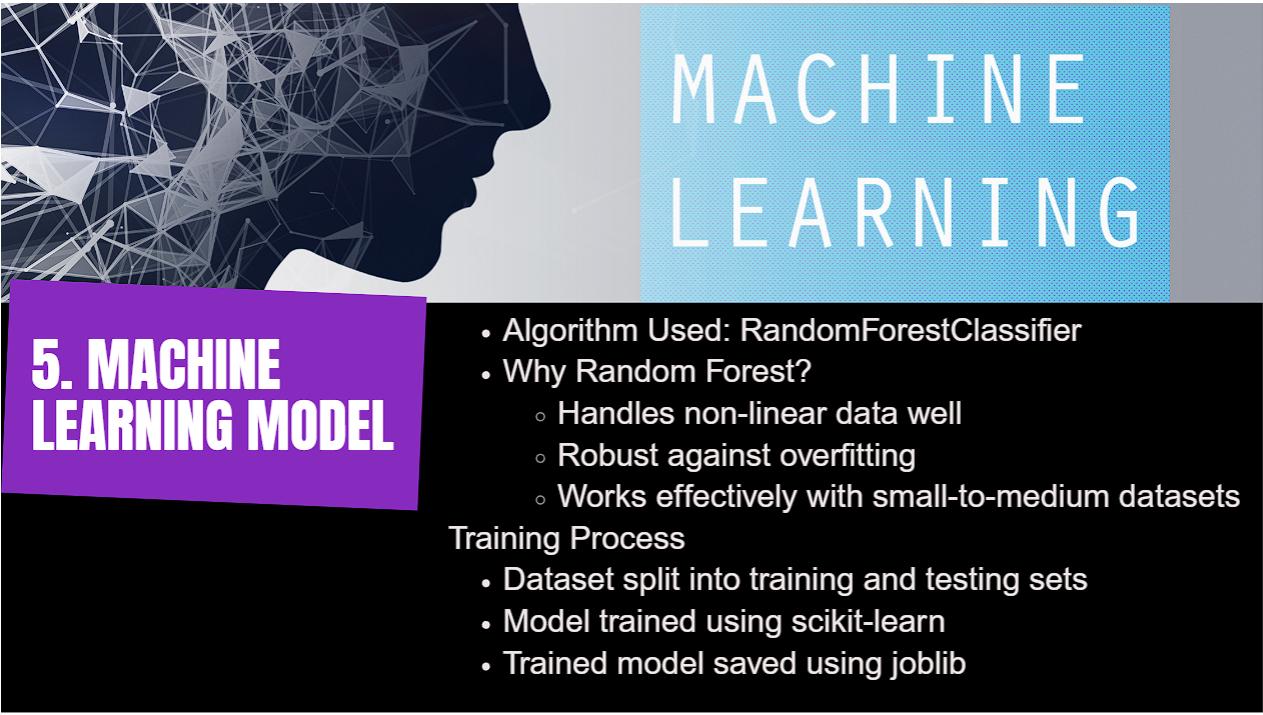
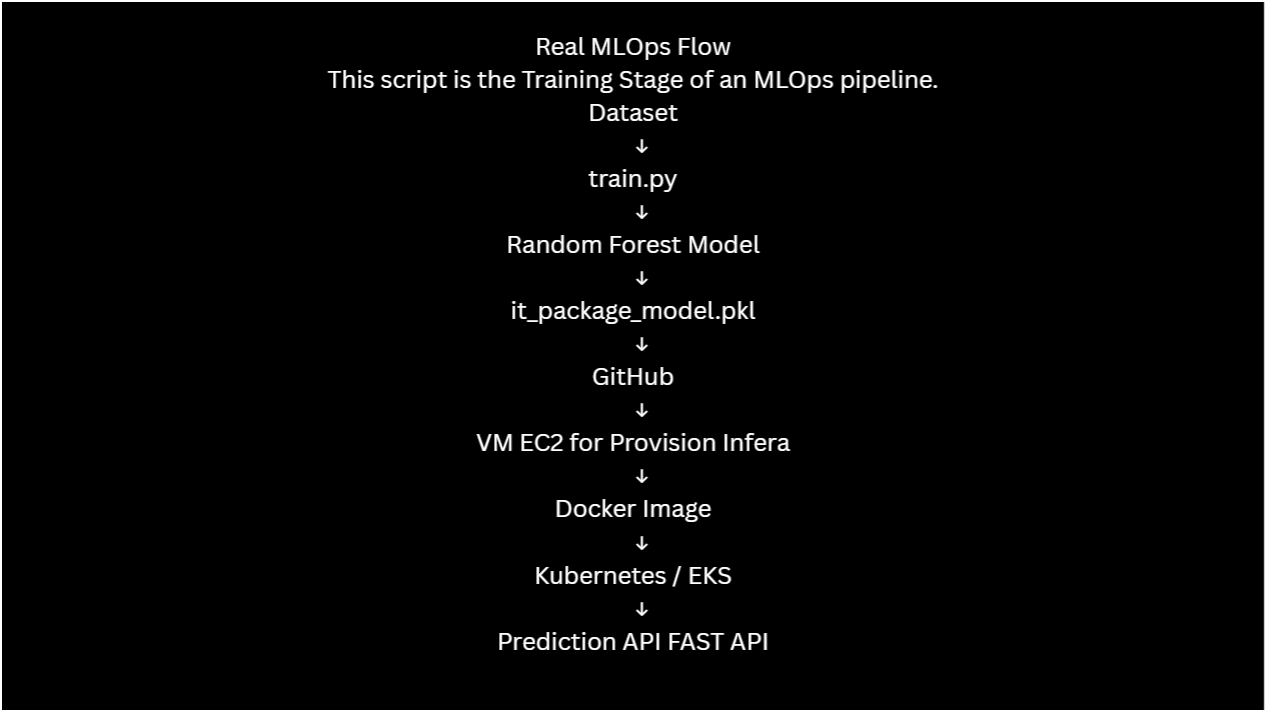
RandomForestClassifier (Scikit-Learn).it_package_model.pkl using joblib.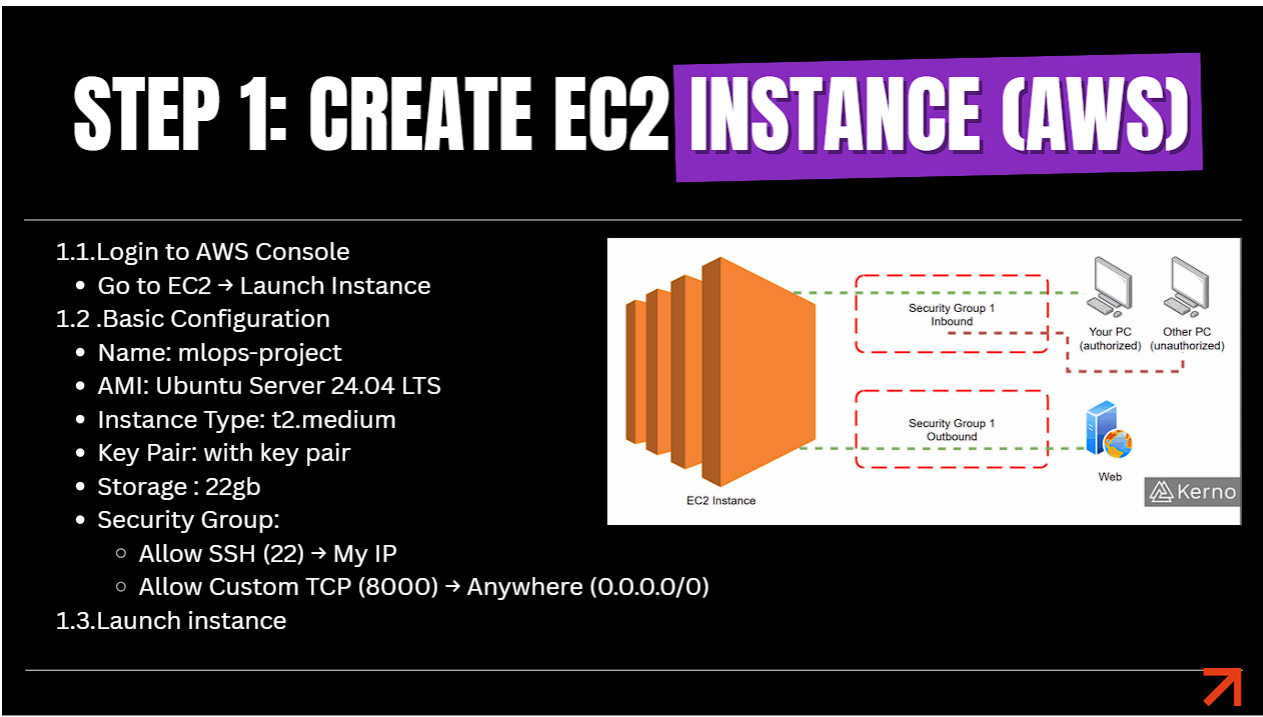
mlops-projectt2.medium / t3.medium (2 vCPUs & 4 GB RAM)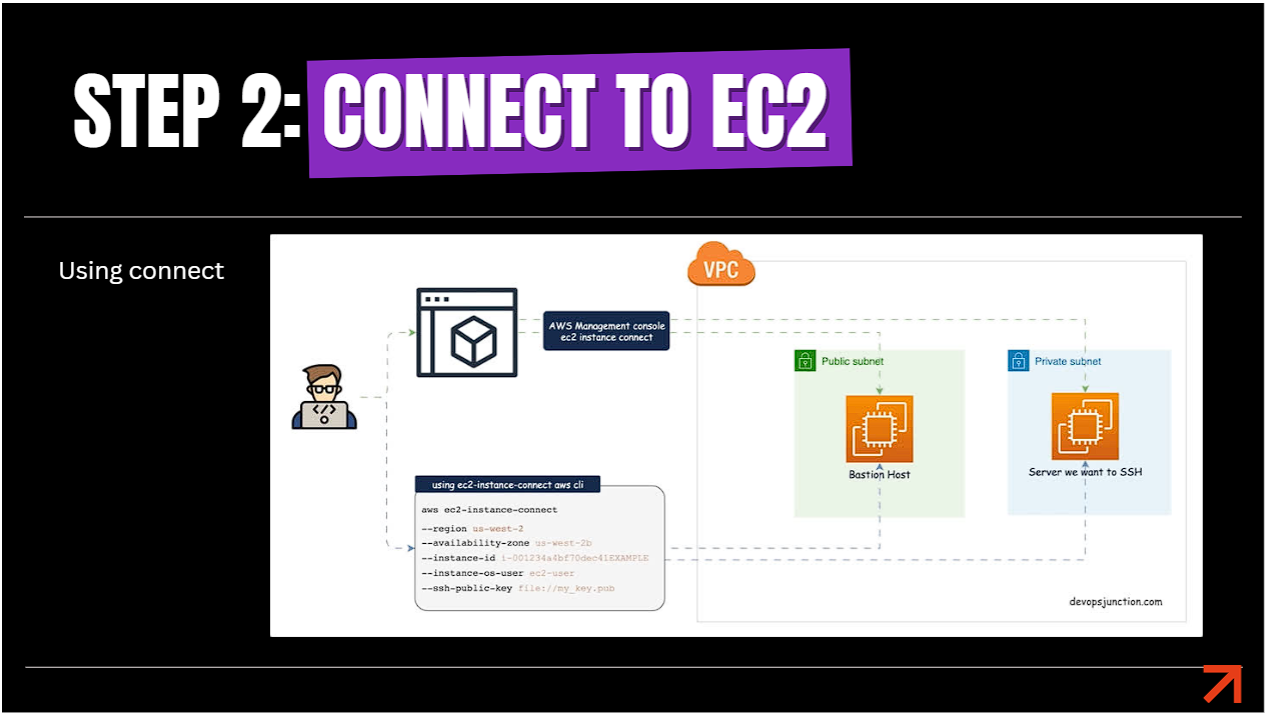
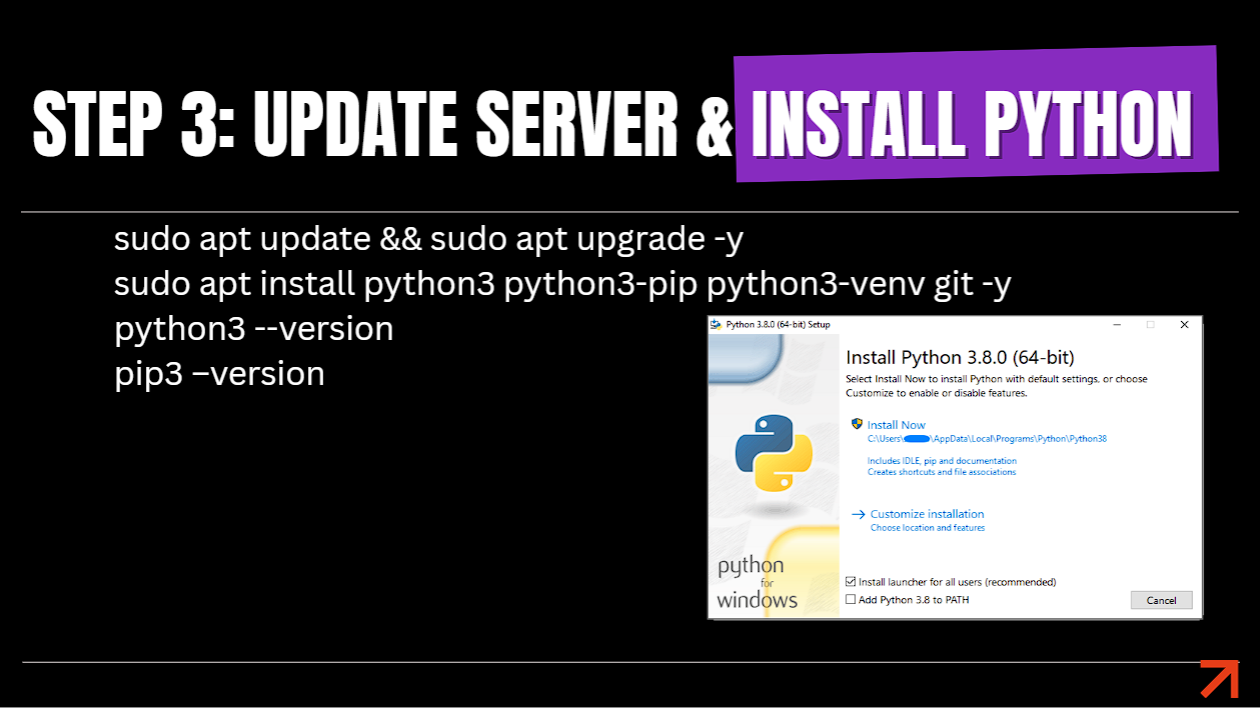
sudo apt update && sudo apt upgrade -y
sudo apt install python3 python3-pip python3-venv git -y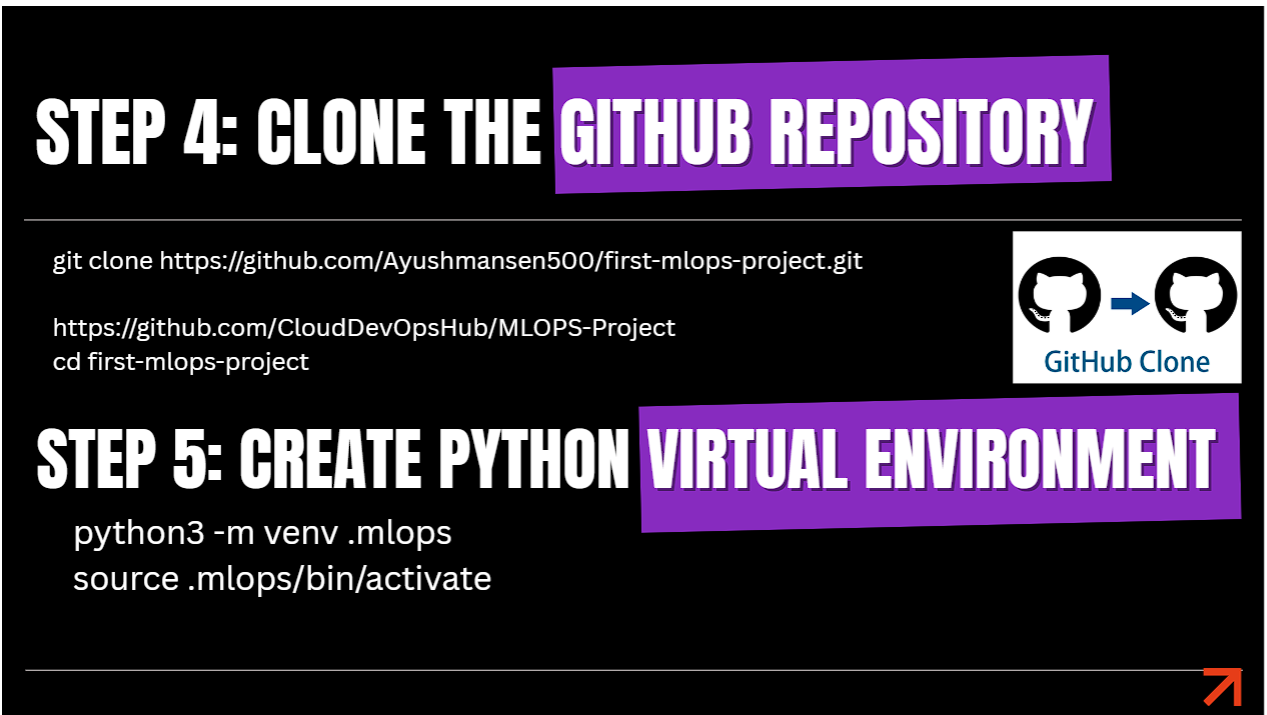
# Clone project source repository
git clone https://github.com/CloudDevOpsHub/MLOPS-Project.git
cd MLOPS-Project

# Create & Activate Virtual Environment
python3 -m venv .mlops
source .mlops/bin/activate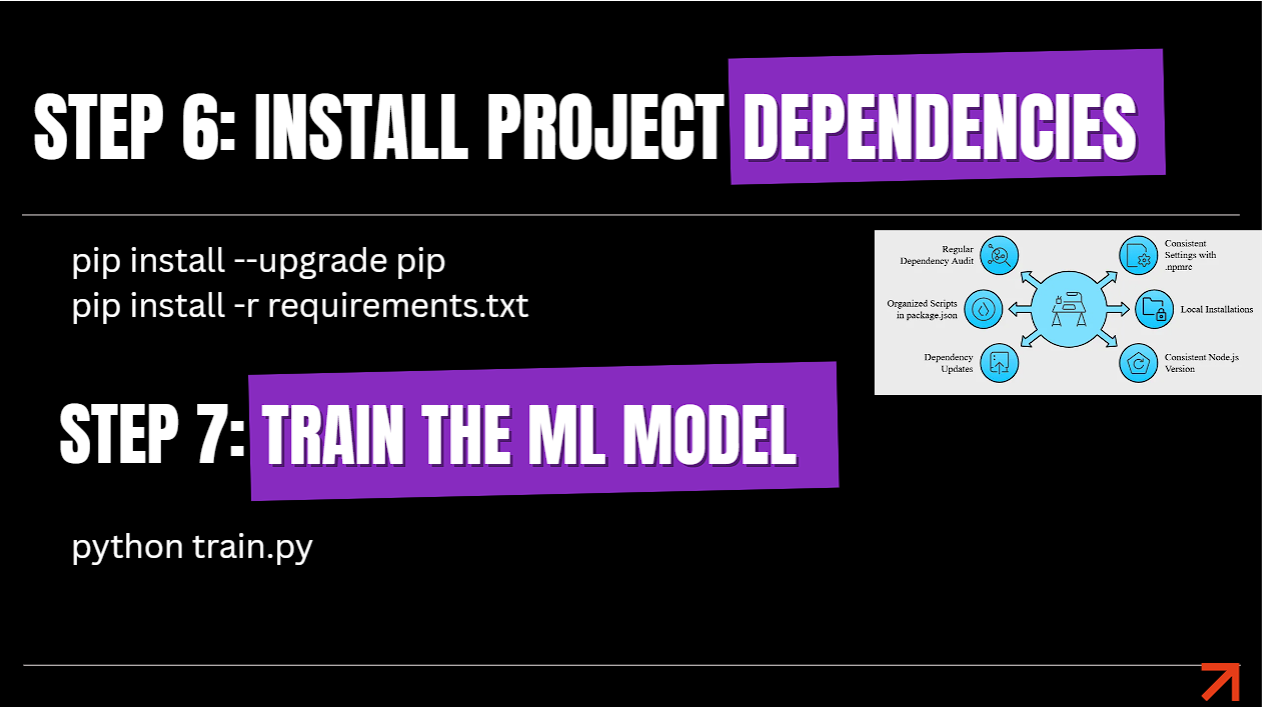
pip install --upgrade pip
pip install -r requirements.txt

# Train model & save it_package_model.pkl
python train.py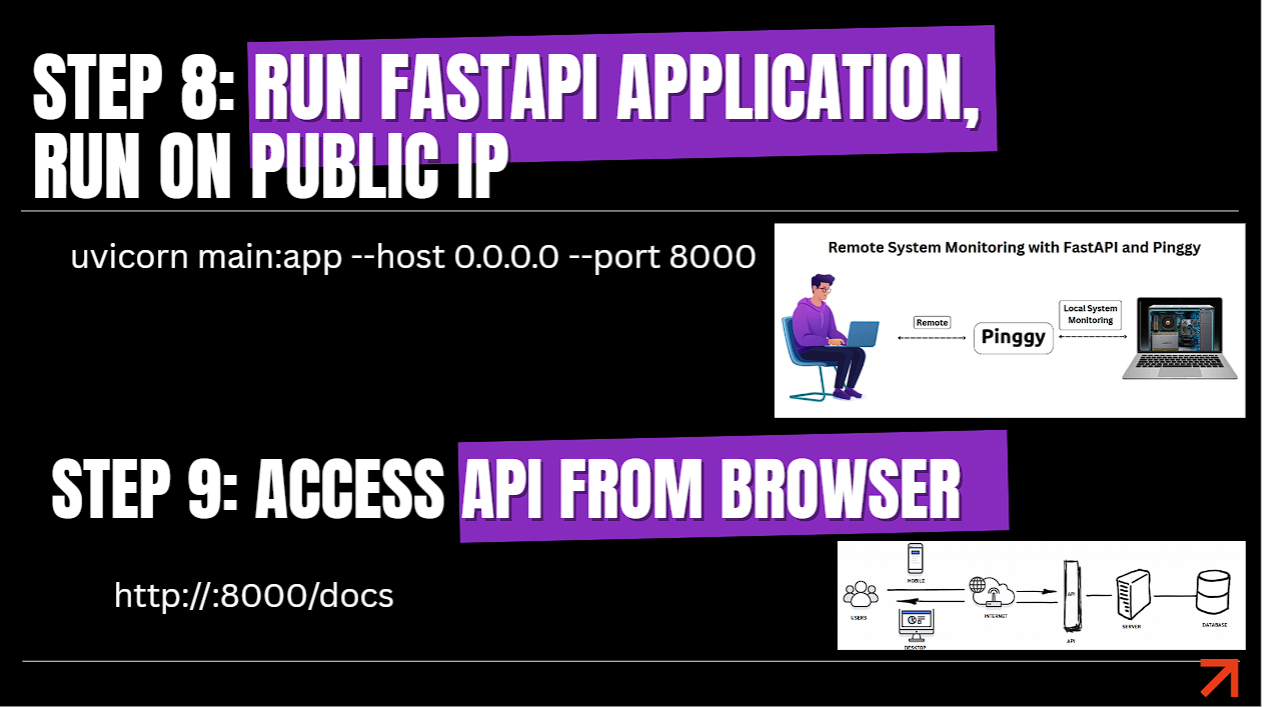
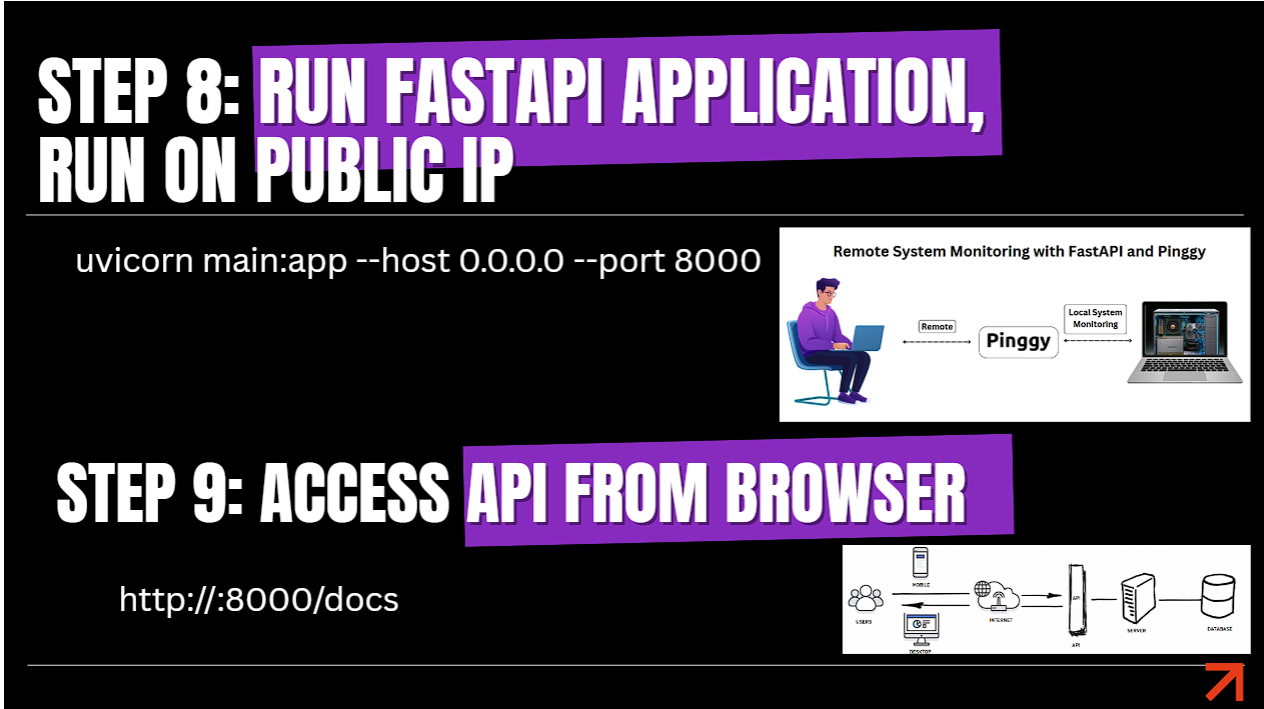
uvicorn main:app --host 0.0.0.0 --port 8000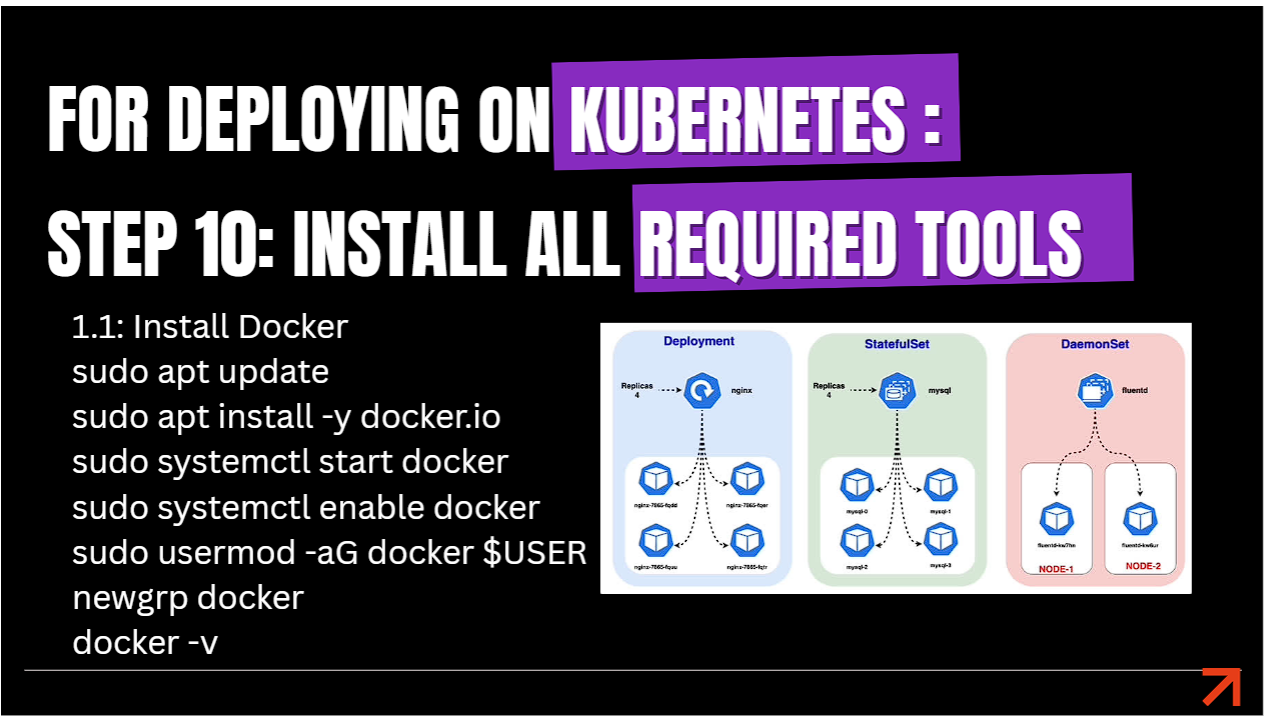
sudo apt update
sudo apt install -y docker.io
sudo systemctl enable --now docker
sudo usermod -aG docker $USER
newgrp docker
docker --version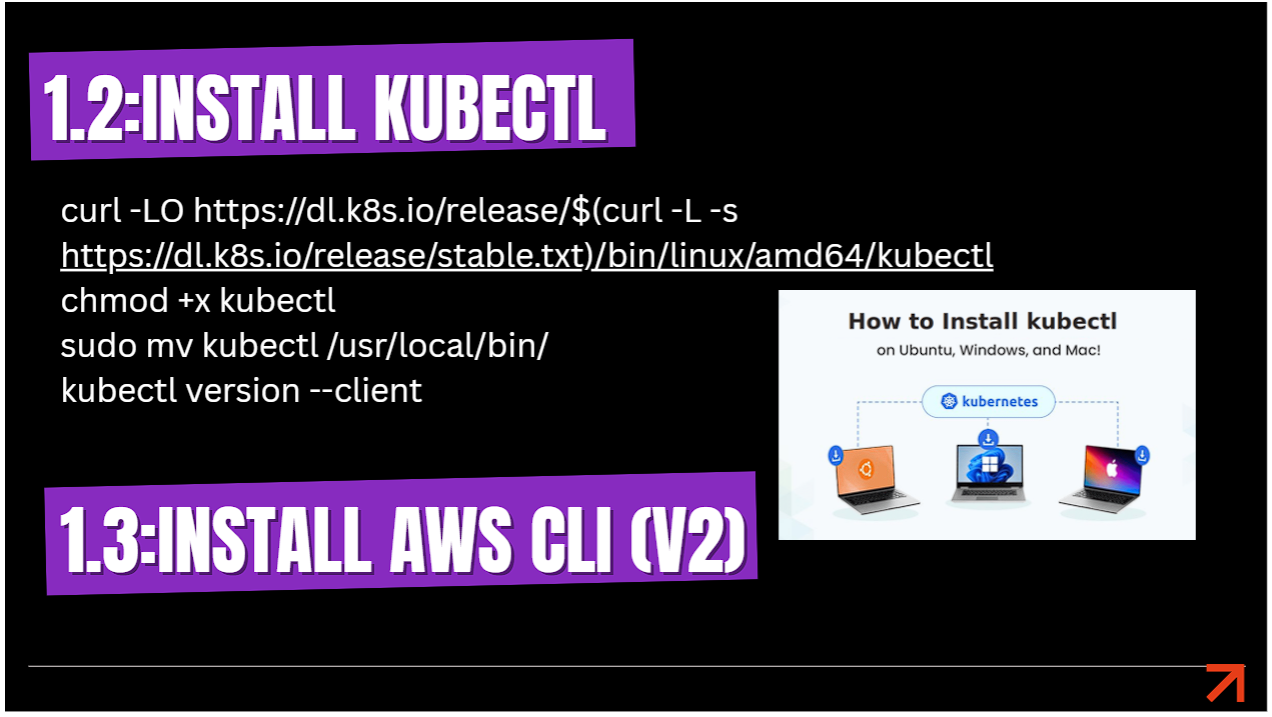
# Install kubectl
curl -LO "https://dl.k8s.io/release/$(curl -L -s https://dl.k8s.io/release/stable.txt)/bin/linux/amd64/kubectl"
chmod +x kubectl
sudo mv kubectl /usr/local/bin/

# Install AWS CLI v2
curl "https://awscli.amazonaws.com/awscli-exe-linux-x86_64.zip" -o "awscliv2.zip"
unzip awscliv2.zip
sudo ./aws/install

# Install eksctl
curl -sLO "https://github.com/weaveworks/eksctl/releases/latest/download/eksctl_Linux_amd64.tar.gz"
tar -xzf eksctl_Linux_amd64.tar.gz
sudo mv eksctl /usr/local/bin/
# Build Docker image
docker build -t it-career-api .

# Login to Docker Hub
docker login

# Tag & Push Container Image
docker tag it-career-api vikas4cloud/it-career-api:latest
docker push vikas4cloud/it-career-api:latest
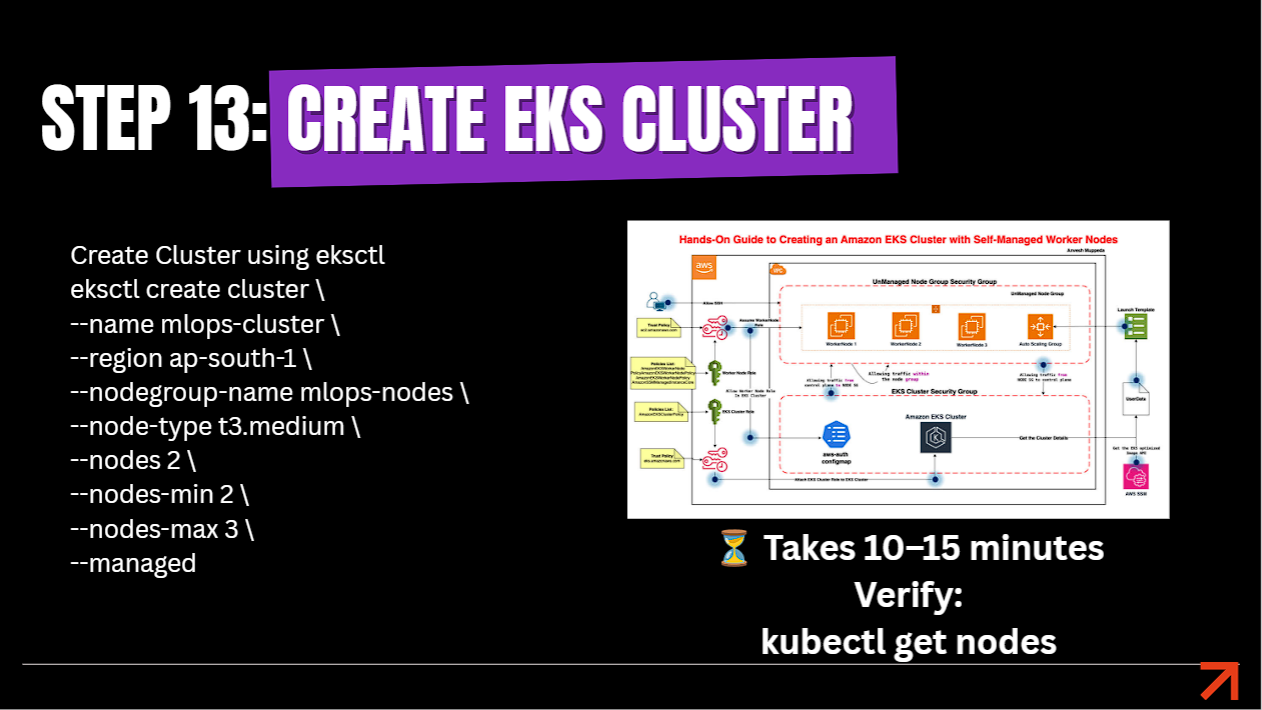
eksctl create cluster \
  --name mlops-cluster \
  --region ap-south-1 \
  --nodegroup-name mlops-nodes \
  --node-type t3.medium \
  --nodes 2 \
  --nodes-min 2 \
  --nodes-max 3 \
  --managed

# Verify cluster nodes
kubectl get nodes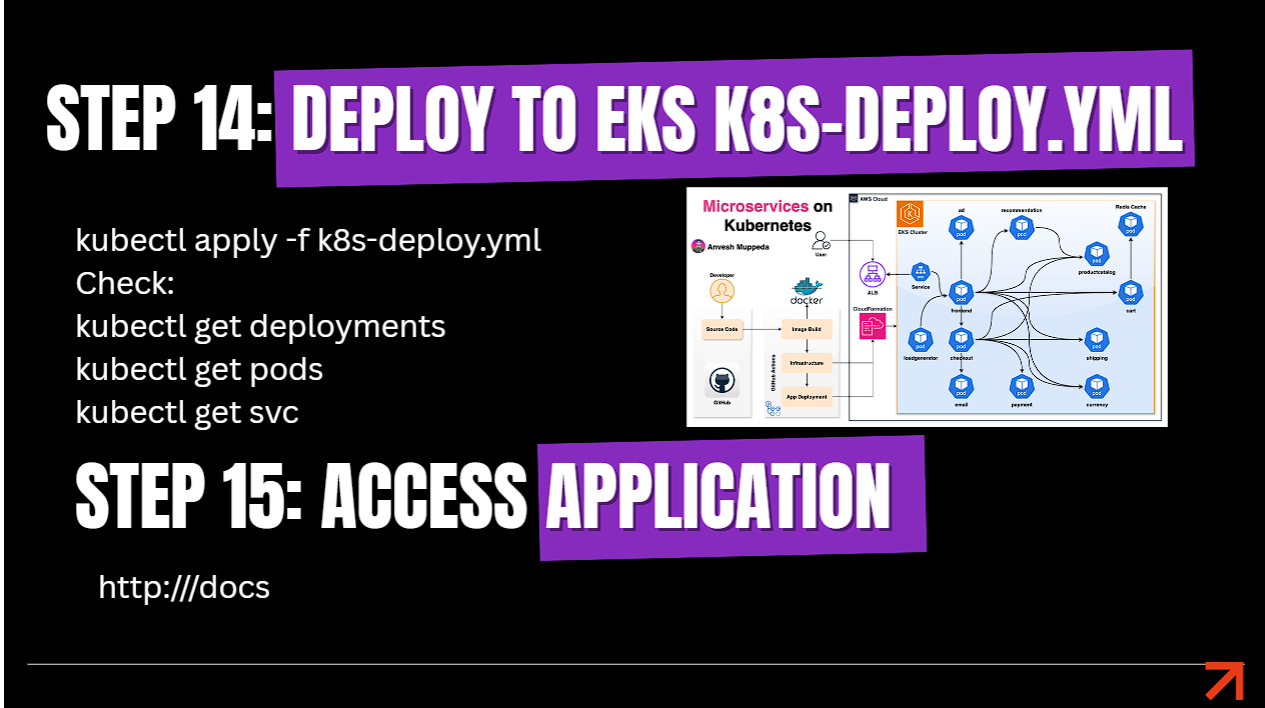
kubectl apply -f k8s-deploy.yml

# Verify pods & service external IP
kubectl get deployments
kubectl get pods -w
kubectl get svc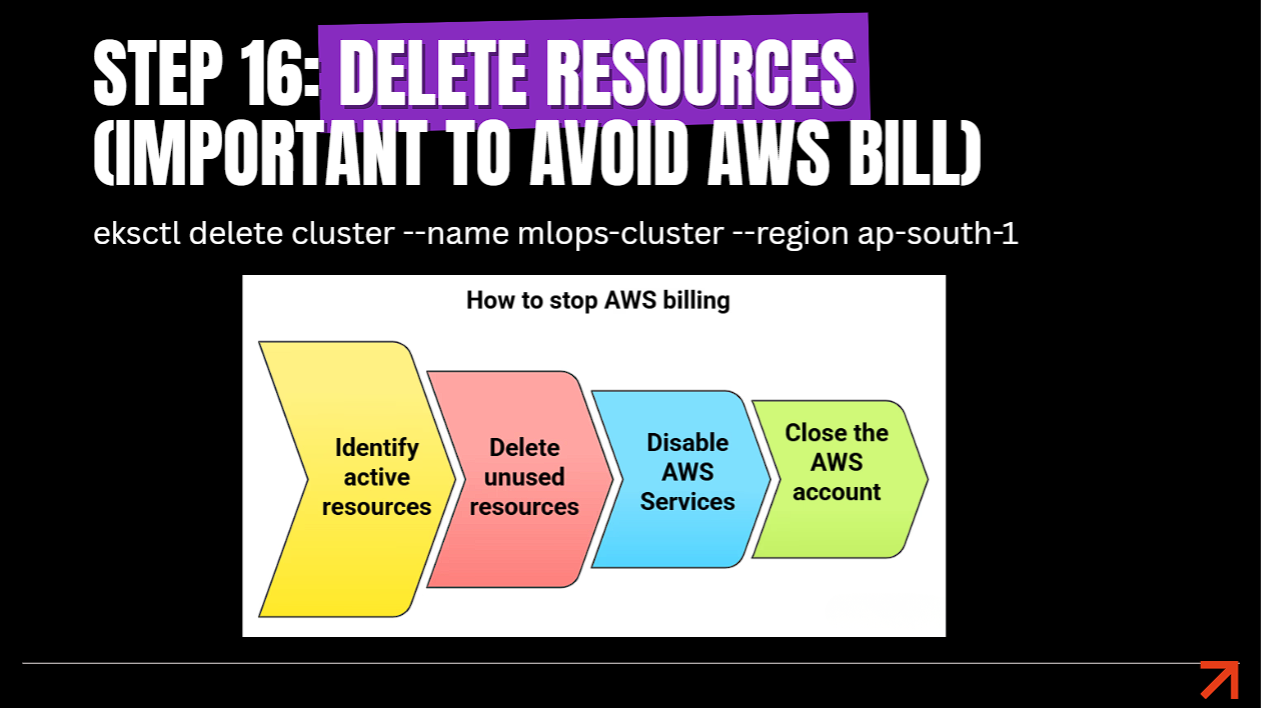
eksctl delete cluster --name mlops-cluster --region ap-south-1AWS EKS clusters charge hourly for control plane management and worker nodes. Always execute eksctl delete cluster after finishing testing to prevent unexpected AWS cloud charges!
You can add these high-impact production bullet points to your resume based on this project:
it_package_model.pkl) for low-latency inference.eksctl and kubectl, configuring LoadBalancer Service endpoints for external traffic.Common real-time production & interview questions on MLOps pipeline deployment:
Answer: DevOps focuses on continuous integration and deployment of source code. MLOps extends DevOps to handle Code + Data + Machine Learning Models. In addition to software CI/CD, MLOps automates data versioning, model training, accuracy evaluation, continuous retraining, and monitoring for data/concept drift.
Answer: FastAPI is built on ASGI (Asynchronous Server Gateway Interface) using Starlette and Pydantic. It provides high performance matching NodeJS/Go, auto-generates OpenAPI interactive Swagger documentation, and enforces data type validation out of the box, making it ideal for high-throughput ML inference APIs.
Answer: Model versioning tracks trained model artifacts (.pkl, .onnx) alongside dataset versions and hyperparameters. Tools like MLflow Model Registry, DVC (Data Version Control), or S3 bucket versioning tag each model binary with commit hashes, allowing instant rollbacks if a newly deployed model exhibits accuracy degradation.
Answer:
Data Drift: Occurs when incoming production input data distribution changes compared to training data (e.g., user demographic shift).
Concept Drift: Occurs when the statistical relationship between input features and target labels changes over time (e.g. consumer purchasing habits post-pandemic). Monitoring tools like Evidently AI or Prometheus trigger pipeline retraining when drift is detected.
Answer: Kubernetes provides horizontal pod autoscaling (HPA) to handle traffic spikes during peak inference hours, self-healing pod restarts if an API worker crashes, zero-downtime rolling deployments for model updates, and declarative resource management across multi-AZ clusters.
Answer: A production Dockerfile copies the serialized model file (it_package_model.pkl) and API server code into a lightweight base image (e.g. python:3.10-slim), installs pinned dependencies via requirements.txt, exposes prediction ports (e.g. 8000), and runs uvicorn main:app --host 0.0.0.0 --port 8000.